
The Shocking Hidden Plastics in Our Clothes – And Why Wool Matters More Than Ever
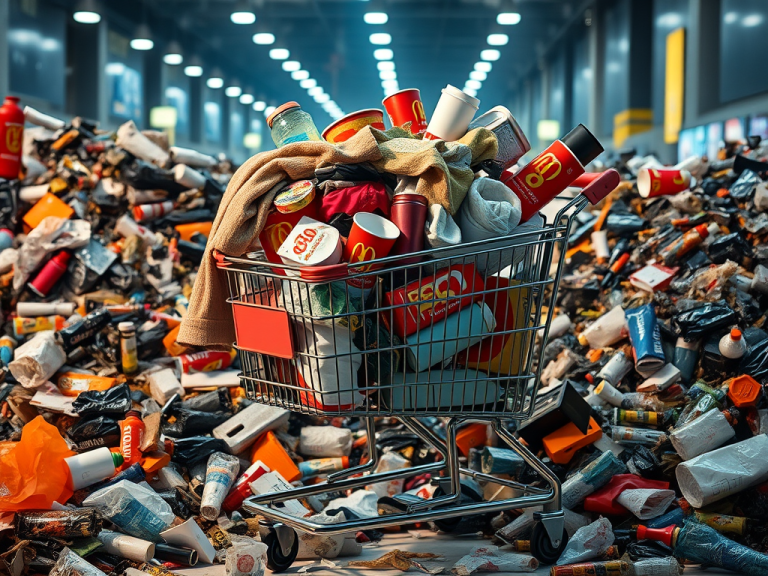
Most people think of plastic as bottles, bags and packaging.
But what if I told you that much of what we are wearing right now is plastic?
Polyester. Acrylic. Nylon. Elastane. These are all plastic-based fibres derived from petroleum. Today, over 60% of global clothing production relies on synthetic fibres. Every time we wash these garments, they shed microscopic plastic fibres – microplastics – into our waterways. These particles are too small to be filtered out completely and are now found in rivers, oceans, soil, wildlife and even human blood.
We are quite literally wearing plastic — and washing it into the sea.
The Microplastic Problem
When synthetic clothes are washed, they release thousands of tiny plastic fibres. These microfibres enter water systems and eventually the ocean, where they are ingested by marine life. From there, they move up the food chain.
Unlike natural fibres, plastic never truly biodegrades. It simply breaks down into smaller and smaller fragments.
Fast fashion has normalised disposable clothing. Cheap to buy, cheap to discard — but very costly for the planet.
The Natural Alternative: Wool
Wool is fundamentally different.
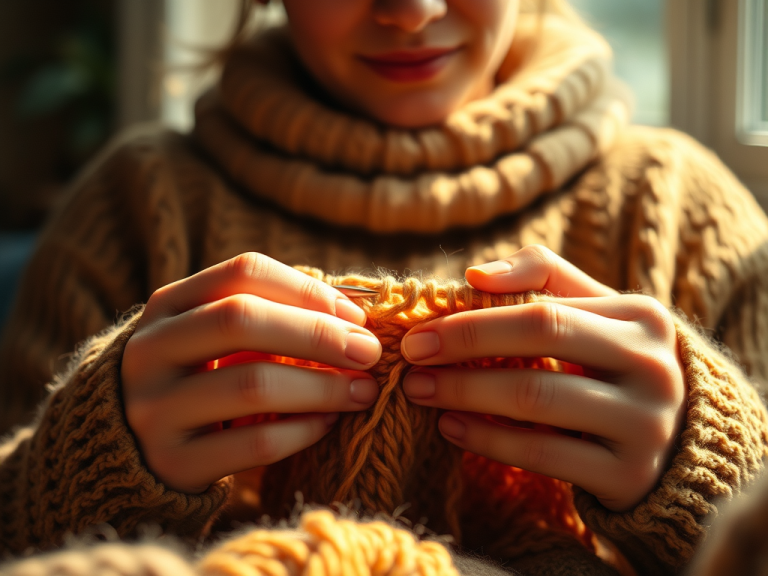
Wool is a renewable fibre grown by sheep each year. It is biodegradable, breathable, temperature regulating and incredibly durable. When wool fibres shed during washing or wear, they break down naturally in soil and water, returning nutrients to the earth rather than polluting it.
Wool:
- Regulates temperature naturally
- Absorbs moisture without feeling wet
- Resists odour
- Lasts for decades when cared for properly
- Biodegrades at end of life
It is not a new innovation. It is an ancient, time-tested material that we have moved away from in favour of convenience and low cost.
But convenience has consequences.
The Quiet Tragedy: Wool Being Wasted
Here in the UK, something deeply troubling is happening.
British wool prices have fallen so low in recent years that many farmers cannot even cover the cost of shearing. In some cases, fleeces are burned, composted, or simply treated as waste because the market does not value them.
At the same time, we are importing vast quantities of synthetic fibres made from fossil fuels.
Perfectly good wool — biodegradable, renewable, locally grown — is being discarded while plastic clothing production increases.
This isn’t just an environmental issue. It’s a cultural one. We have lost connection with the materials that clothe us.
Rebuilding a Relationship with Fibre
Choosing wool is not just about sustainability. It’s about quality. It’s about longevity. It’s about reconnecting with the land and the animals that produce our fibres.
When you wear wool, you are wearing something grown, not manufactured in a petrochemical plant.
As makers, knitters, and conscious consumers, we have power. Every time we choose natural fibres, we support farmers, reduce microplastic pollution, and move towards a more regenerative textile system.
Plastic clothing may be cheap at the checkout.
But wool is priceless in what it gives back.